

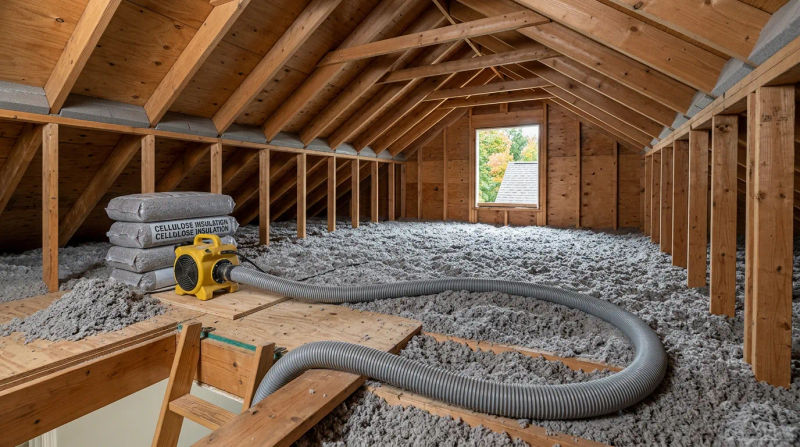
As a lead service technician with over a decade of experience in Katonah and northern Westchester County, the first question homeowners almost always ask me is, “How much is this going to cost?” It’s a fair question. An attic insulation upgrade is a significant investment, and you deserve to know exactly what you’re paying for. My goal here isn’t to sell you anything, but to give you the transparent, field-tested information you need to budget for this project and understand the value it brings to your home’s comfort and energy efficiency.
Especially as we head into September, the timing for this conversation is perfect. The cooler weather makes it safer and more efficient for our crews to work in attics, and completing a pre-winter insulation upgrade Katonah homeowners can lock in significant energy savings before the first major cold snap arrives and those heating bills start to climb. Let's break down the real attic insulation cost you can expect.
Average Costs in Katonah
In the Westchester County area, the attic insulation price per square foot for professionally installed blown-in cellulose typically ranges from $2.00 to $4.50. This range accounts for the complexity of the job, the amount of material needed, and the necessary prep work, which I'll detail in the next section.
To give you a clearer picture, let's apply these numbers to common home sizes we see in our area:
- For a 1,000 sq. ft. attic (common in smaller Ranch or Cape Cod homes): You can generally expect a project cost between $2,000 and $4,500. This often includes basic air sealing and bringing the insulation up to modern R-49 standards.
- For a 1,500 sq. ft. attic: The estimated cost would be in the range of $3,000 to $6,750. Larger attics require more material and labor, and often have more complex layouts with more points to air seal.
- For a 2,000+ sq. ft. attic: Costs can start at $4,000 and go up to $9,000 or more, especially if extensive prep work or removal of old insulation is required.
Remember, these are ballpark figures. A thorough inspection is the only way to get a precise quote, as every attic is unique.
Factors That Affect Price
The final price on your estimate is determined by much more than just the square footage. From my experience in the field, these are the key variables that drive the cost of blown-in cellulose insulation Westchester NY projects up or down.
- Existing Insulation Condition and Amount: Is there old, compressed fiberglass batts? Is it contaminated with dust, debris, or signs of pests? If the existing insulation is in poor condition, it must be removed before new material can be installed. This removal process is labor-intensive and requires specialized equipment, adding a significant cost to the project.
- The Target R-Value: R-value measures thermal resistance - the higher the number, the better the insulation performs. For our climate zone (Zone 5), the U.S. Department of Energy recommends an attic R-value between R-49 and R-60. If your attic only has R-19 (a common level in older homes), you'll need a significant depth of new insulation to reach R-49, which means more material and a higher cost.
- Air Sealing: This is arguably the most critical part of the job, and it’s a major cost factor. Before we blow in a single piece of insulation, our technicians meticulously seal air leaks around plumbing stacks, electrical wiring, recessed lights, and the attic hatch. Skipping this step is like wearing a winter coat that’s unzipped - the insulation won't be nearly as effective. A thorough air sealing job takes time and expertise but provides the biggest return on your investment.
- Attic Accessibility and Complexity: A simple, open attic with a large access hatch and plenty of headroom is easier and faster to work in. Conversely, attics with low-pitched roofs, tight crawl spaces, or lots of obstructions (like HVAC equipment or complex framing) require more time and effort, increasing labor costs. Many of the classic 1950s Ranch and Cape Cod homes in the Katonah area feature these low-to-moderate roof pitches, which can make maneuvering and ensuring even coverage more challenging for our crews.
- Ventilation Work: Proper attic ventilation is crucial for preventing moisture buildup and ice dams in the winter. We often need to install baffles at the eaves to ensure soffit vents aren't blocked by the new insulation. If your attic has poor ventilation, we may need to add or repair vents, which will be factored into the overall project cost.
- Debris and Obstacle Removal: Some attics have been used for storage for decades. Clearing out old belongings, discarded building materials, or other debris takes time and adds to the labor cost.
How to Get the Best Value
Getting the “best value” doesn’t mean finding the cheapest price. A lowball offer often signals that a contractor is cutting corners - usually on critical steps like air sealing or ventilation. Here’s how to make a smart investment.
- Prioritize Air Sealing: Don't accept a quote that doesn't include comprehensive air sealing. The energy savings from stopping air leaks are substantial and maximize the performance of the insulation itself.
- Look for Rebates and Credits: Check with your local utility provider and the ENERGY STAR website for available rebates or tax credits on insulation and air sealing. These incentives can significantly reduce your net attic insulation cost.
- Understand the Long-Term Savings: Frame this project as an investment, not just an expense. A properly insulated and air-sealed attic can reduce your heating and cooling bills by 15-25% or more, year after year. The project pays for itself over time and dramatically improves your home's comfort.
- Choose a Reputable Contractor: A professional crew with standardized processes will protect your home with plastic sheeting, use proper safety equipment, and ensure a clean, efficient installation. This level of professionalism prevents costly mistakes and ensures the job is done right the first time.
Questions to Ask Your Contractor
When you get estimates, you are in control. Use these questions to vet potential contractors and ensure you’re comparing apples to apples.
- What is the final R-value you are quoting, and at what depth will the insulation be installed?
- Is comprehensive air sealing included in this quote? Can you detail what you will be sealing?
- Will you be installing baffles to ensure my soffit vents remain clear?
- How will you handle heat-producing fixtures like recessed lights or flue pipes? (They should be properly boxed out to prevent fire hazards.)
- Does your quote include the removal of my old insulation? If not, why?
- What is your process for protecting my home from dust and debris during the installation?
- Are your technicians employees or subcontractors? Are they fully insured?
- Can you provide references from recent jobs in my area?
A contractor who can confidently and clearly answer these questions is one who understands the building science behind their work.
Upgrading your attic insulation is one of the most effective home improvements you can make, especially with our long heating seasons in Westchester. It delivers immediate comfort, lasting energy savings, and a healthier home environment. While the initial cost is a factor, the long-term returns are undeniable.
For a personalized estimate and a detailed attic inspection in the Katonah area, our team at Superior is here to help. Contact us for a free, no-obligation consultation.