

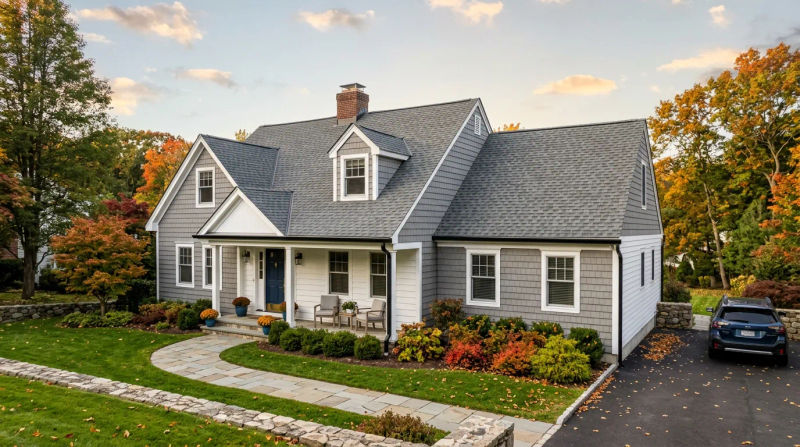
As a Lead Service Technician for Superior, I’ve spent over a decade helping homeowners in Katonah and across Westchester County. The calls we get in early fall always have a certain urgency. As the cool nights return, hidden problems in a home start to reveal themselves. That was exactly the case when we received a call from a family in a beautiful pre-1940s colonial in Katonah. They had started noticing a persistent, musty odor in their upstairs hallway and were concerned about what it could mean as winter approached. They knew something wasn’t right in their attic, and with the first frost just weeks away, they needed an attic moisture fix - and fast.
Older homes like theirs, with their classic construction, often have hidden ventilation and air leakage issues that go unnoticed for years. The homeowners were right to be worried. That faint musty smell is one of the most common attic condensation signs Katonah NY residents encounter, and it’s a warning that bigger problems like wood rot and mold are likely developing just out of sight.
The Assessment
When I arrived for the inspection, I knew what to look for. As soon as I opened the attic hatch, the smell of damp, stagnant air confirmed the homeowner's suspicion. The air was heavy and humid, a clear sign that moisture was getting trapped. A thorough inspection with my thermal camera and moisture meter revealed a textbook case of an attic ecosystem in crisis.
Here’s what our comprehensive Superior attic assessment uncovered:
- Compromised Roof Decking: The underside of the roof sheathing was damp to the touch in several areas, with dark, streaky stains indicating prolonged moisture exposure. This is the direct result of warm, moist air from the living space condensing on the cold wood surface. Left unchecked, this leads to rot and structural decay.
- Blocked Intake Vents: The home had soffit vents, but years of blown-in insulation had completely blocked them. Without this crucial intake, the attic had no way to draw in cool, dry air. The entire ventilation system was suffocated at its source.
- Improperly Vented Bathroom Fans: This was the biggest culprit. Both of the home's upstairs bathroom fans were venting directly into the attic space. Every hot shower was pumping gallons of warm, humid air straight into the attic, where it had nowhere to go. This is a common shortcut we find, and it’s a primary driver of severe attic moisture problems. It’s a classic candidate for a bath fan venting repair Westchester homes frequently need.
- Significant Air Leakage: Using a smoke puffer, I identified numerous air leaks from the heated living space below. Gaps around light fixtures, plumbing stacks, and the attic access panel itself were acting like straws, constantly pulling conditioned, moist air up into the cold attic.
The attic was a perfect storm for winter condensation. The combination of a massive interior moisture source, significant air leakage, and a complete lack of ventilation meant that as soon as outdoor temperatures dropped, the attic would become a condensation nightmare, accelerating mold growth and damaging the home’s structure.
Our Solution
After walking the homeowners through my findings and explaining the dynamics at play, I laid out the comprehensive solution our Superior team would implement. This wasn't just about patching a symptom; it was about re-engineering the attic to function correctly for the long term. Our 3-person crew was scheduled to complete the project in just two days.
Our approach was systematic and addressed the root causes of the moisture problem:
- Meticulous Air Sealing: The first and most critical step was to separate the attic from the house below. Our crew carefully removed insulation around all penetrations and used two-part expanding foam and specialized sealants to close every gap. We sealed around electrical wires, plumbing pipes, the chimney chase, and the top plates of interior walls. We also installed a custom-insulated and weather-stripped cover for the attic hatch, a major source of air and heat loss.
- Professional Bathroom Fan Venting: Next, we tackled the moisture source. We disconnected the improper fan vents and ran new, rigid, insulated ductwork from each bathroom fan. These ducts were routed through the roof and terminated at new, high-quality roof vent caps with built-in dampers. This ensures all the humid air from showers is exhausted directly outside, not into the attic. This is the only correct way to perform this kind of bath fan venting repair Westchester County codes require.
- A Complete Soffit-to-Ridge Ventilation Upgrade: This part of the project serves as a perfect soffit ridge vent upgrade case study. With the attic sealed and moisture sources eliminated, we restored the attic’s passive ventilation system.
- We started at the eaves, pulling back insulation and installing durable baffles in each rafter bay. These baffles create a clear, protected channel for air to flow from the soffits up along the underside of the roof deck, preventing insulation from ever blocking them again.
- The final step was installing a new, shingle-over ridge vent along the entire peak of the roof. This allows the rising warm, moist air to escape efficiently. By creating this continuous airflow from soffit to ridge - known as the “stack effect” - we transformed the attic from a stagnant, damp box into a dry, breathing space that protects the home.
The entire process was managed by a dedicated Superior project lead, ensuring the work was done to our high standards and the job site was left spotless.
The Results
The transformation was immediate and profound. On our final walkthrough, the air in the attic was crisp and dry. The musty odor that had plagued the upstairs was completely gone. The homeowners could literally feel the difference.
By implementing a complete attic moisture fix, the Superior team delivered significant, lasting benefits:
- A Healthy, Dry Attic: The new ventilation and air sealing system actively removes moisture, preventing the conditions necessary for mold, mildew, and wood rot to develop. The roof structure is now protected for decades to come.
- Improved Indoor Air Quality: By stopping the stack effect from pulling musty attic air into the living space, the home’s overall air quality was noticeably improved.
- Peace of Mind for Winter: The homeowners no longer have to worry about what’s happening in their attic when the temperature drops. They can be confident their home is safe from the destructive cycle of winter condensation.
- Enhanced Energy Efficiency: A dry attic means the insulation can perform at its intended R-value. While not the primary goal, a properly sealed and vented attic often contributes to a more comfortable home and lower energy bills.
The homeowners were thrilled with the professionalism of our crew and the clarity of our process. They went from being worried about a mysterious problem to feeling confident their historic home was protected for the future, all thanks to the expertise of the Superior team.
Conclusion
That damp, musty smell in the fall is your home’s way of asking for help. Addressing attic condensation and ventilation issues before winter sets in is one of the smartest investments you can make in the health and longevity of your property. This Katonah project is a perfect example of how a systematic approach can solve complex moisture problems for good, turning a liability into a high-performing part of the home. We are proud to have delivered a solution that will protect this family’s home for years to come.
Ready for your own Superior experience? Contact us today for a free inspection.