

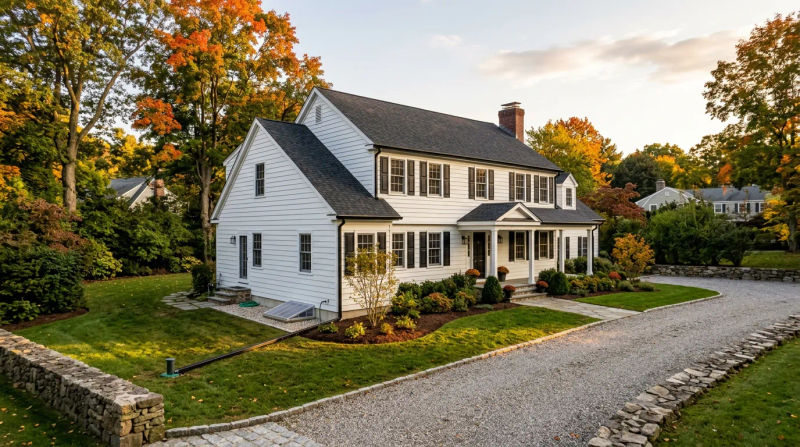
As a Lead Service Technician with Superior, I’ve seen firsthand how the beautiful, historic homes in our area can hide significant water-related challenges. This was exactly the case when we received a call from a family in Katonah, NY, this past September. They lived in a gorgeous pre-1940s home, the kind with character and charm you just don’t find in new construction. But with that history came a persistent problem: a damp, musty basement that felt worse after every heavy rain.
The homeowners were proactive. They weren’t just worried about the current dampness; they were anxious about the coming winter. They understood that Katonah’s notorious freeze-thaw cycles could turn a small moisture issue into a major basement flood. They had seen neighbors struggle with winter seepage and wanted to find a permanent freeze thaw basement seepage solution before the ground froze. They called Superior looking for an expert opinion and a plan to secure their home for the long term. I scheduled an inspection for the following day, ready to see what was happening behind the scenes.
The Assessment
When I arrived, the home was just as they described - a stately property with a solid fieldstone foundation, typical of its era. On the surface, everything looked sound. But my experience told me to look closer. The basement had been painted over the years, a common cosmetic fix that often masks deeper issues. The homeowners noted that certain walls felt damp to the touch and a musty odor was always present, forcing them to run a dehumidifier constantly.
My comprehensive assessment began with a visual inspection. I immediately spotted efflorescence - a white, chalky powder - peeking through cracks in the paint on the lower sections of the foundation walls. This is a tell-tale sign of water passing through the stone and concrete, leaving mineral deposits behind as it evaporates. Using a moisture meter, I confirmed high moisture readings along the base of the walls, especially where the walls meet the concrete floor. This area, known as the cove joint, is a primary entry point for water under hydrostatic pressure.
The problem was clear: the home's nearly century-old foundation, while strong, was not inherently waterproof. Over decades, the constant pressure from groundwater, amplified by Westchester County’s wet seasons and freeze-thaw cycles, had forced moisture through microscopic pores and cracks in the fieldstone and mortar. The paint was simply trapping this moisture, causing it to build up and contribute to the musty smell and deteriorating air quality. The basement had no drainage system to manage this inevitable seepage. It was a classic scenario that, if left unaddressed, would undoubtedly lead to significant water problems during the winter and spring thaws.
Our Solution
After walking the homeowners through my findings, I laid out a comprehensive plan designed by Superior to permanently resolve the issue. This wasn't about another coat of paint; it was about installing an active water management system. We proposed a full-perimeter basement waterproofing Katonah solution, turning their basement from a liability into a dry, stable, and healthy space. This project would become a perfect interior drain system case study for homes of this vintage.
Our highly trained 4-person crew began work the following week. The process was systematic and designed for minimal disruption:
- Perimeter Channel Preparation: First, we carefully cut and removed a narrow section of the concrete floor around the entire interior perimeter of the basement. This created a trench to house the new drainage system.
- Drainage System Installation: We laid a bed of clean, crushed stone in the trench to promote drainage and prevent clogging. On top of this, we installed our high-performance perforated drain pipe. This pipe is specifically engineered to collect water from the wall-floor joint and from below the basement floor.
- Wall Seepage Management: To manage moisture coming through the porous fieldstone walls, we installed a durable, dimpled drainage matting against the lower portion of the walls. This barrier directs any and all wall seepage directly down into the new drainage system, keeping the basement environment dry.
- Sump Pump Installation: All the collected water needed a reliable way out. We excavated a sump pit in the lowest corner of the basement and performed a professional sump pump installation Westchester County. We installed a powerful, cast-iron Zoeller sump pump capable of handling heavy water flow. For total peace of mind, we also installed a battery backup pump, ensuring the system would continue to operate even during a power outage - a common occurrence during winter storms.
- Finishing Touches: Once the entire system was connected and tested, our crew re-poured concrete over the trench, leaving a clean, seamless, and perfectly level floor. The entire process was completed by our efficient Superior team in just three days.
The Results
Immediately upon completion, the change was remarkable. The persistent musty odor was gone, replaced by the clean smell of fresh concrete. The homeowners were thrilled with how neat and professional our crew was, leaving the basement cleaner than when they started. They now had a basement that was not just dry, but backed by a lifetime warranty from Superior.
The true test, however, came that winter. Katonah experienced a heavy snowpack followed by a rapid thaw in late February. The homeowners watched as their neighbors’ sump pumps ran constantly and some even dealt with minor flooding. In their basement? Not a single drop of water. The interior drainage system silently captured all the hydrostatic pressure and funneled it to the sump pump, which quietly discharged it away from the foundation. The battery backup provided invaluable peace of mind during a brief power outage from a nor'easter.
By investing in a professional waterproofing system from Superior, the family didn't just fix a leak. They protected the structural integrity of their historic home's foundation, improved the indoor air quality for their family, and reclaimed their entire basement as usable, valuable square footage. They are now planning to finish a portion of the basement as a playroom, something they never would have considered before.
This project is a testament to the fact that older homes don't have to have wet basements. With the right diagnosis and a professionally engineered solution, even the most challenging foundations can be made permanently dry and secure.
Ready for your own Superior experience? Contact us today for a free inspection.